
OnlyFans subscribers often treat their monthly spend as a fixed cost, but ranking cards make that assumption outdated. When positions shift on aggregation sites, they reveal pricing pressure, promotional waves, and creator momentum before those changes reach your billing cycle. This guide explains how to read those signals and pivot your subscription budget without losing access to the content you actually value. BestOnlyFans refreshes rankings every month, and that cadence shapes how subscribers should plan.
Each update compresses dozens of data points into a single position, and that compression hides as much as it shows. The skill is knowing which movements matter for your wallet and which are just noise from a quiet week. Reading a card correctly means understanding what the site measures and what it ignores.
How OnlyFans Ranking Cards Signal Market Movement
Without a native way to browse creators, subscribers rely on third-party ranking sites to surface options. That structural gap means card positions carry real information: they reflect whatever methodology the site applies to price, activity, and engagement data.
A creator sliding three positions over a week may be running a promotional first month below the $4.99 base minimum, which is allowed for introductory offers. A creator climbing steadily may be holding firm on price while adding content volume. Each pattern implies a different budgeting response.
| Signal Type | Subscriber Interpretation | Budget Action |
|---|---|---|
| Stable position, stable price | Predictable creator, no urgency | Keep current renewal schedule |
| Sudden promotional flag | Temporary discount, likely first-month only | Consider a trial month, verify base price after |
| Content volume spike | Creator investing in output | Watch for price adjustment next cycle |
| Position drop with no price change | Engagement cooling, not pricing | No immediate action, monitor two weeks |
Five specific data points indicate creator pricing pressure: sudden price drops, promotional flag appearance, media count spikes, like-ratio changes, and cross-platform verification status.
- Sudden price drops suggest a creator testing demand at a lower tier.
- Promotional flags usually mean a limited first-month rate, not a permanent base change.
- Media count spikes point to a content push that may precede a price increase.
- Like-ratio shifts reveal engagement trends before position movement catches up.
- Cross-platform verification status affects how much weight a card position deserves.
A single promotional flag means little; a promotional flag combined with a media spike and a rising position tells you the creator is actively competing for new subscribers right now.
Reading Velocity Indicators Before They Stabilize
A creator who jumps ten places in two days is responding to something specific, often a promotion or a viral moment. A creator who climbs one place per week is executing a slow strategy.
Rapid movement is often unstable. Positions that spike tend to correct within a week or two once the trigger event passes. Gradual climbs, by contrast, usually reflect durable changes in pricing discipline or posting consistency, which means the new position is more likely to hold.
- Check the update timestamp to confirm the card reflects current data, not a cached snapshot.
- Compare the 7-day position delta against the 30-day delta to separate noise from trend.
- Verify price history continuity, since a broken history often means a promotional reset.
- Cross-reference social activity frequency to see whether posting volume matches the card movement.
Velocity assessment protects you from overreacting. A one-day spike rarely justifies cancelling a subscription you enjoy, while a month-long decline in position combined with a base price increase is a genuine reason to reconsider.
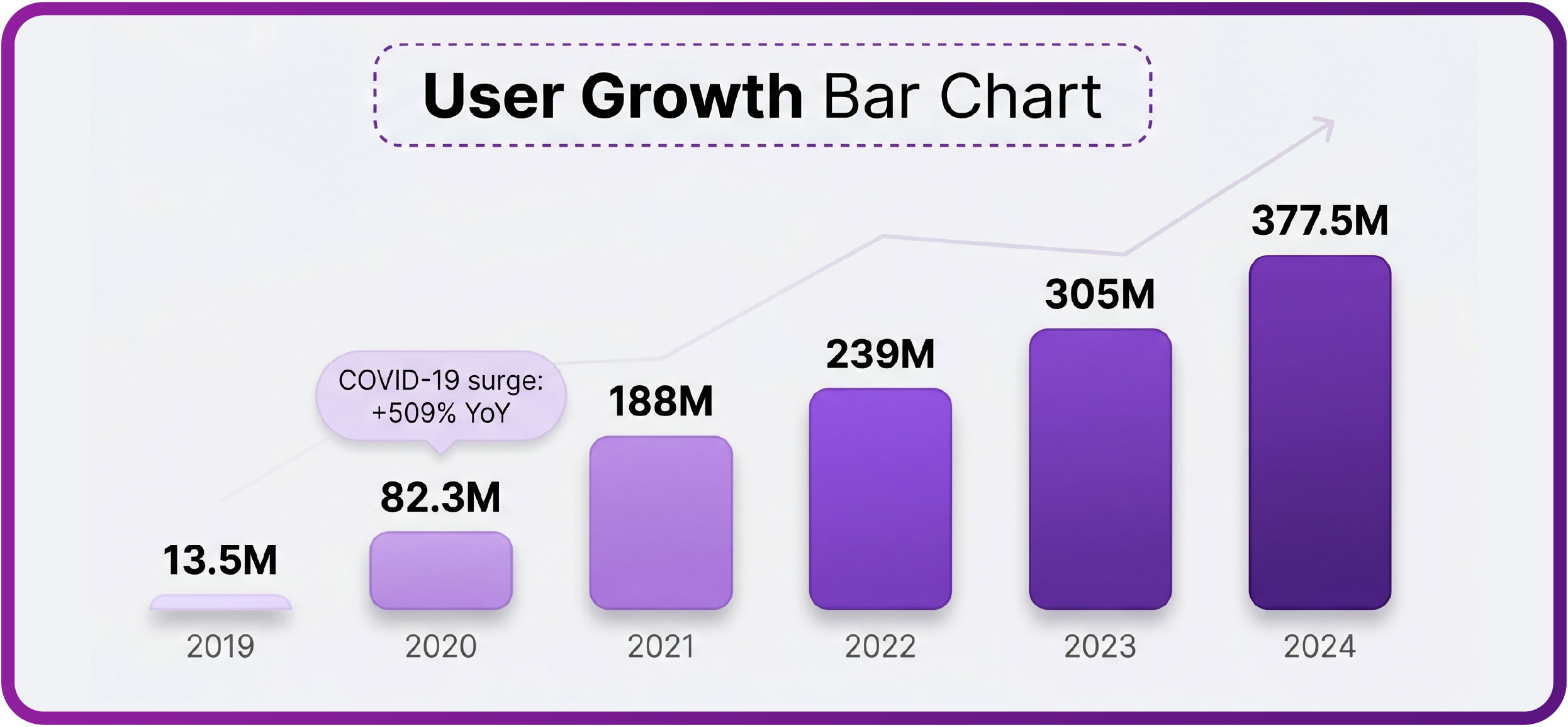
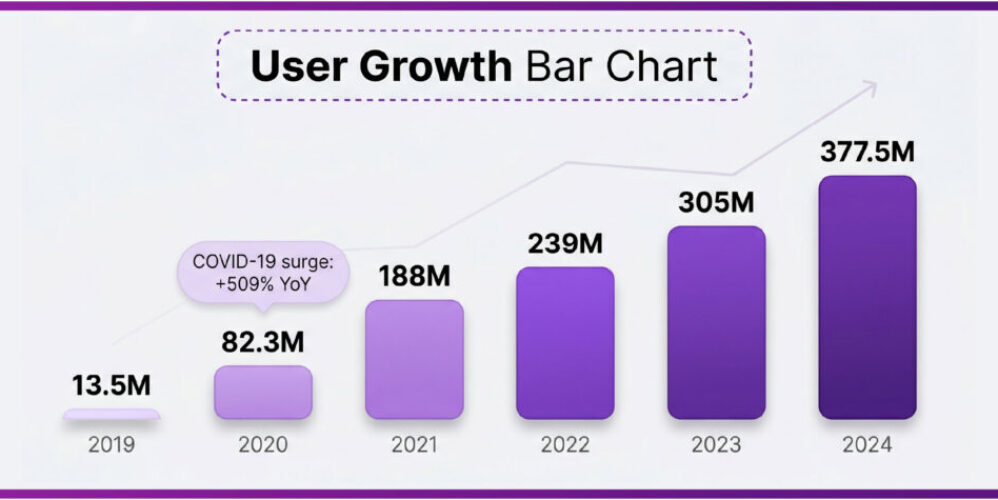
The platform’s own growth history shows how quickly audience patterns can shift, and ranking data inherits that volatility. Cards that look settled in one quarter can reorganize entirely in the next.
Tip: screenshot the ranking card on the day you subscribe. Without that baseline, you cannot tell whether a later position change reflects the creator’s movement or the site’s methodology update.
Budget Pivot Timing Around Mid-Month Ranking Updates
Timing decisions around ranking data work best when anchored to your own billing calendar rather than the card’s update schedule. Most subscribers have renewals clustered at specific dates, and pivoting mid-cycle creates awkward overlap charges.
A review window that sits a few days before your first renewal of the month gives you room to compare current card positions against what you recorded when you subscribed. Decide before charges land, not after.
- Set a pre-billing review date three to five days before your earliest renewal.
- Align the review with your post-paycheck window so budget decisions reflect real available funds.
- Track promotional expiration dates, since $3 first-month offers convert to full base pricing afterward.
- Monitor free-to-paid transitions, as a $0 page can shift its monetization model quickly.
- Fold the monthly review into a quarterly audit so you catch slow spending drift.
One detail matters here: when a creator raises their price, auto-renew stops automatically. Your existing access continues until the paid period ends, but the subscription will not renew at the old rate. That mechanic creates a natural decision point without any action on your part.
Portfolio Rebalancing Across Multiple Active Subscriptions
Rebalancing means swapping one creator for another while holding the total roughly constant.
Start with a total spend audit. Add up every active base subscription, then add typical pay-per-view usage and tip history. Paid base subscriptions run from $4.99 up to $49.99, and promotional first months may sit lower than that floor. PPV messages unlock up to $50, paid chat commonly runs $3 to $5 per message, and tips can reach $100.
- Complete the total spend audit across all active subscriptions.
- Calculate an individual value score for each creator based on posting frequency and your actual usage.
- Shortlist replacement candidates from ranking cards with comparable pricing.
- Run an overlap prevention check so two subscriptions do not cover the same content interest.
- Execute the swap on a defined timeline rather than impulsively.
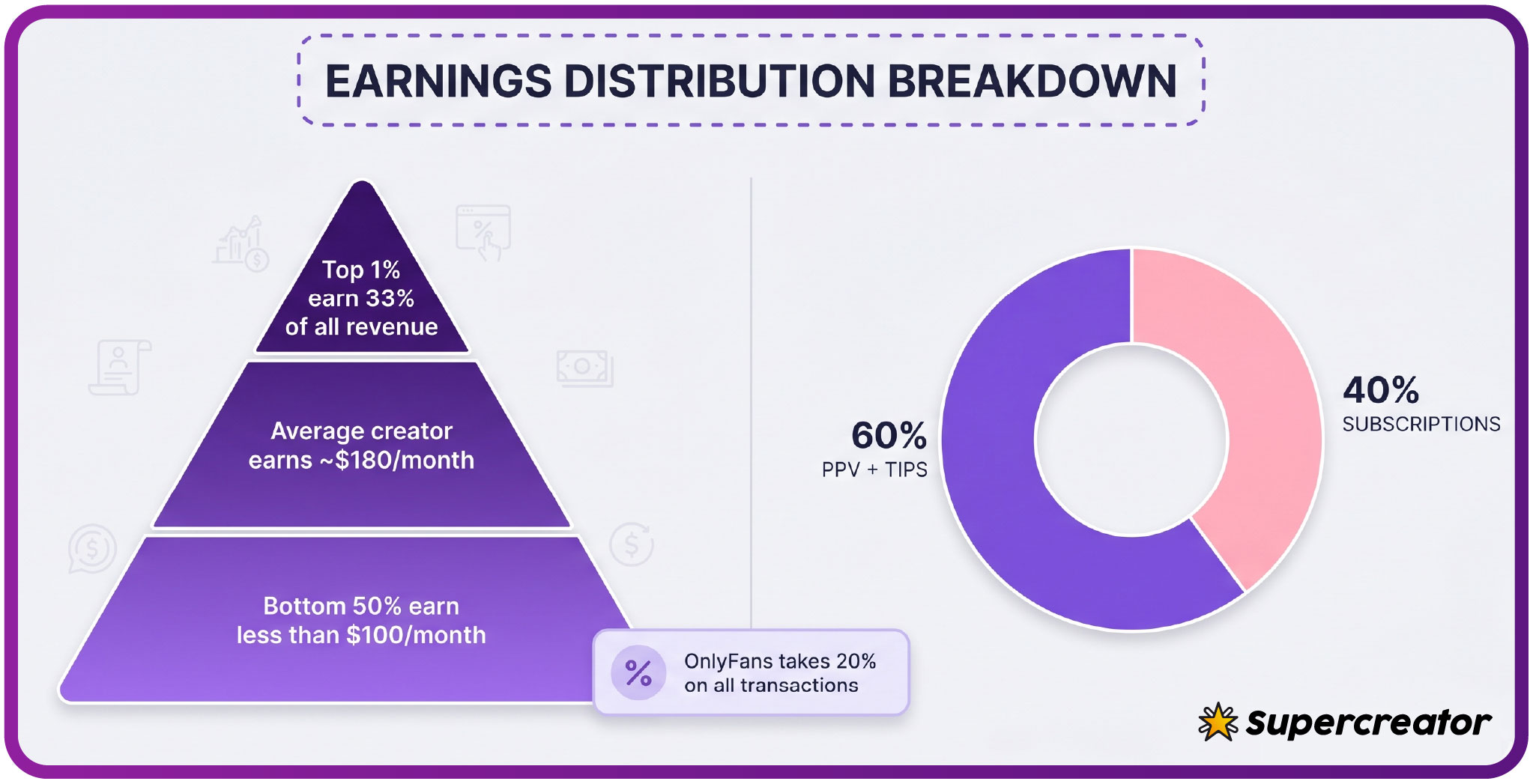
Earnings concentrate heavily at the top of the platform, which means card positions near the summit reflect very different economics than mid-tier entries. The platform takes 20% and the creator keeps 80%, so your spend funds output directly at every tier.
Most paid subscriptions cluster between $5 and $10, with the typical paid range sitting at $4.99 to $15. That narrow band makes portfolio math straightforward: swapping a $10 subscription for a $7 one frees three dollars without changing your total creator count.
For subscribers tracking how rankings intersect with promotions, curated directories that highlight the best onlyfans sales help separate genuine discount periods from permanent repositioning.
Auto-Renew Mechanics During Creator Position Swings
Auto-renew behavior is the least understood part of subscription management, and it is where ranking-driven decisions can go wrong. The platform mechanics are simple once you map them, but the timing catches people off guard.
| Creator Action | Auto-Renew Impact | Subscriber Window |
|---|---|---|
| Raises base price | Auto-renew stops automatically | Access lasts until the paid period ends |
| Offers promotional first month | Renews at full base price after promotion | One billing cycle to evaluate |
| Switches to free page at $0 | No renewal charge, PPV and tips apply | Immediate change |
| Keeps price unchanged | Renewal proceeds normally | Standard cancellation window |
Nothing prevents a creator from changing their base price between cycles, but the auto-renew stop gives you a buffer to decide.
Budget drift is the quieter risk. Small recurring charges are easy to ignore, and spending tends to grow without a formal review process. Understanding how a subscription business model retains members makes it easier to spot when your portfolio has grown beyond what you intended.
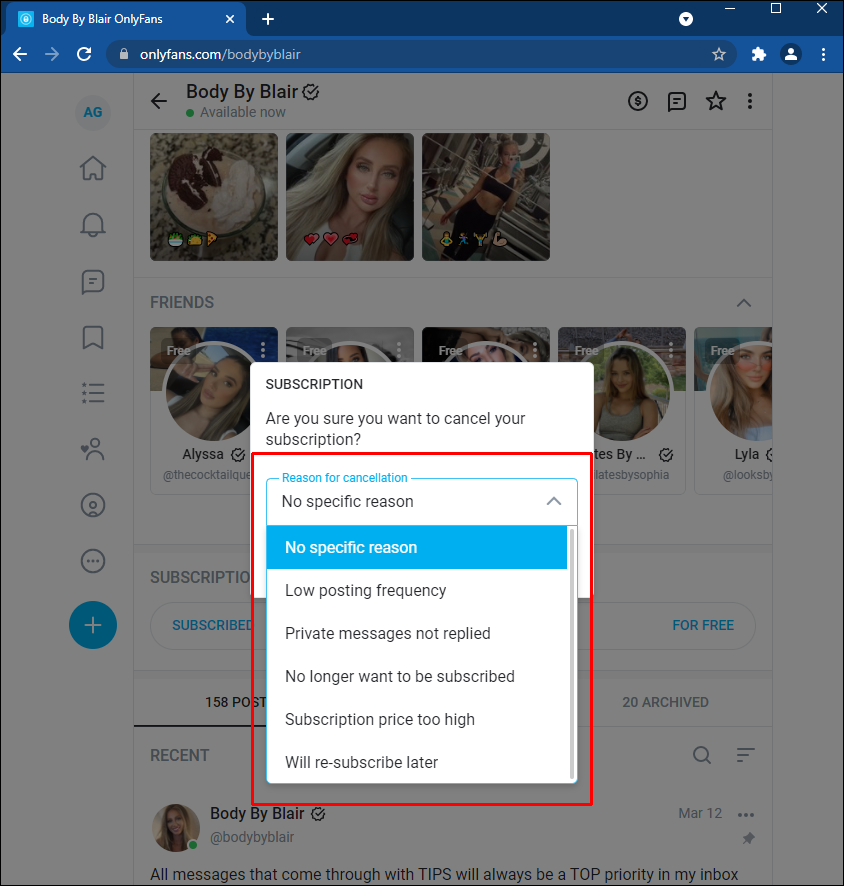
Protecting Access Continuity Through Transition Periods
The riskiest moment in a ranking-driven pivot is the gap between cancelling one subscription and starting another. Cancel too early and you lose access to content you are still working through. Subscribe too early and you pay for two creators during an overlap week.
- Buffer your calendar so new subscriptions start after old ones expire, not before.
- Use free-tier temporary access where a creator offers a $0 page during evaluation.
- Time archive review so you finish saved content before the cancellation date.
- Rotate payment methods carefully to avoid card verification hold conflicts.
The card verification hold is $0.10 and refunds within days, so it rarely causes real problems. It only becomes an issue when multiple verification charges land on the same card in a short window and briefly reduce available balance.
Access continuity also depends on account security. Securing your account with two-step authentication prevents lockouts that could interrupt a carefully planned transition.

Long-Term Subscriber Habits Shaped by Ranking Awareness
Subscribers who review ranking cards monthly tend to change their spending patterns over six to twelve months. The shift is gradual but measurable: fewer impulse subscriptions, more deliberate swaps, and a total spend that stays within a planned range.
The habit also builds pricing literacy. After a few cycles, you recognize that a promotional first month at $3 is not the same as a base price cut, and that a position climb driven by engagement differs from one driven by discounting. BestOnlyFans cards reward that kind of patient reading, because a single snapshot rarely tells the whole story.
Fake creator pages and payment scams circulate in this niche, and a ranking card is not a security guarantee. Learning how to recognize phishing patterns protects both your account and your payment details when you follow links from any aggregator site. The end state is a subscription list you actually chose rather than one that accumulated over time.
FAQ
How often does BestOnlyFans update its ranking data?
Update frequency varies by site, and most aggregation platforms refresh positions continuously or on a short cycle. The practical approach is to check the timestamp on any card before acting on it, since a stale snapshot can misrepresent current creator pricing and activity.
Can I lock in a price before a creator moves up in rankings?
If a creator raises their price, auto-renew stops and your access continues only until the paid period ends. Subscribing before a known increase secures the current rate for that billing cycle, nothing longer.
What happens if I cancel based on a ranking shift but the creator drops price again?
You simply resubscribe at the new rate. Nothing prevents re-subscription, and a lower base price means a lower renewal going forward. The only cost is potential loss of access during the gap between cancellation and rejoining.
How do ranking card changes relate to actual content quality shifts?
Loosely, and never directly. Cards typically weight price, activity, and engagement signals rather than content quality. A position change may reflect promotional pricing or posting volume while the underlying content stays the same.